
🔍 What is LMRA?
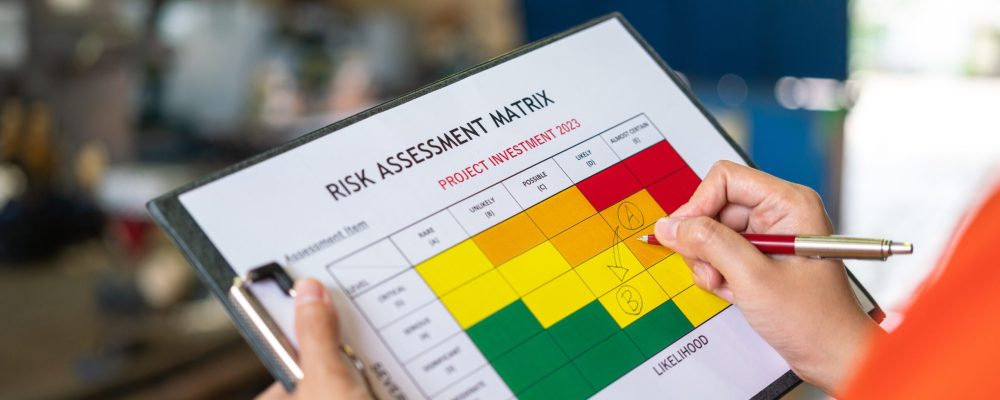
Last Minute Risk Assessment (LMRA) is a personal, on-the-spot safety check performed immediately before starting any task—especially in dynamic, high-risk, or changing work environments. It ensures that all risks are evaluated in real-time, and not just during initial planning stages.
It is your final defense line between planning and execution.
🎯 Purpose of LMRA
- To identify and control hazards that may have been missed during initial planning.
- To encourage worker ownership of safety.
- To adapt to changing site conditions that formal risk assessments can’t always predict.
- To promote pause and think before act behavior.
REMEMBER: LMRA is NOT a replacement for formal risk assessments. It’s a complementary tool.
✅ Who Should Use LMRA?
- Frontline workers
- Maintenance technicians
- Contractors and subcontractors
- Site supervisors
- Anyone engaging in hands-on, task-level work
🧠 5 Simple Steps to Perform LMRA
Here’s an easy-to-remember step-by-step approach:
🔹 Step 1: Stop and Think
Before beginning any task, pause for a moment.
- Is this task safe under current conditions?
- Has anything changed since the job was planned?
Example: You’re about to perform electrical maintenance. You pause and realize the rain has started—creating a slip hazard and potential for electric shock.
🔹 Step 2: Identify Hazards
Visually scan the work area and equipment. Listen and observe carefully.
- Look for moving parts, suspended loads, trip hazards, energy sources.
- Consider environmental factors—noise, weather, lighting, crowding.
Example: You notice an oil spill near your work area, increasing slip risk.
🔹 Step 3: Assess the Risks
Ask: What can go wrong? What’s the worst-case scenario?
- Think about people, property, equipment, and the environment.
- Assess likelihood and severity.
Example: That oil spill could cause a serious injury if someone slips and hits machinery.
🔹 Step 4: Take Control Measures
Can you eliminate or minimize the risk right now?
- Use barriers, signage, or absorbent material.
- Request help if needed.
- Use correct PPE.
Example: You place warning signs, use spill kits to clean, and wear anti-slip boots.
🔹 Step 5: Decide to Proceed or Stop
If risks are controlled—proceed.
If not—STOP and report to a supervisor.
Example: If the leak is major or unmanageable, stop the task and escalate it.
Real-World Examples
Case 1 – Confined Space Entry
Scenario: A team is about to enter a confined tank for cleaning.
LMRA Outcome: The worker notices a strange odor—although gas readings are within limits. After LMRA and reporting, it’s discovered that the monitor failed to detect a low-level ammonia leak. Entry is postponed and the issue is resolved.
✅ Incident prevented.
Case 2 – Working at Height
Scenario: A painter climbs scaffolding but pauses to do LMRA.
LMRA Outcome: He notices the edge guardrail is loose. He steps down, reports the issue, and waits for corrective action.
✅ Fall avoided.
LMRA Quick Card (Printable for Sites)
| ✅ LMRA Questions | ✔️ Your Response |
|---|---|
| What am I going to do? | |
| What can go wrong? | |
| Am I prepared and equipped? | |
| Is the environment safe? | |
| Should I proceed or stop? |
Keep this in your pocket or post it near job sites.
🔁 Common Pitfalls to Avoid
❌ Rushing through LMRA
❌ Skipping steps because “nothing ever goes wrong”
❌ Thinking it’s only the supervisor’s job
❌ Performing LMRA but not acting on it
Tip: LMRA is only effective when it’s taken seriously and backed with action.
QHSE Association’s Recommendations
- Include LMRA in toolbox talks and HSE inductions.
- Reward and recognize teams who identify hazards through LMRA.
- Provide workers with visual guides or cards on LMRA steps.
- Train supervisors to encourage and support LMRA culture—not penalize it.
Final Thoughts
LMRA is more than a checklist—it’s a habit.
When practiced consistently, it empowers workers to take ownership of their own safety and become proactive risk managers at the point of work.
“The safest tool in your toolbox is your ability to think. Use it before every task.”
🌐 Stay Connected with QHSE Association
Need resources, LMRA templates, or training material?
📧 Email us at: [email protected]
🌐 Visit: www.qhsea.org
📱 Follow us: LinkedIn

 Google
1 Comment
Project safety