Menu
Hazard Communication
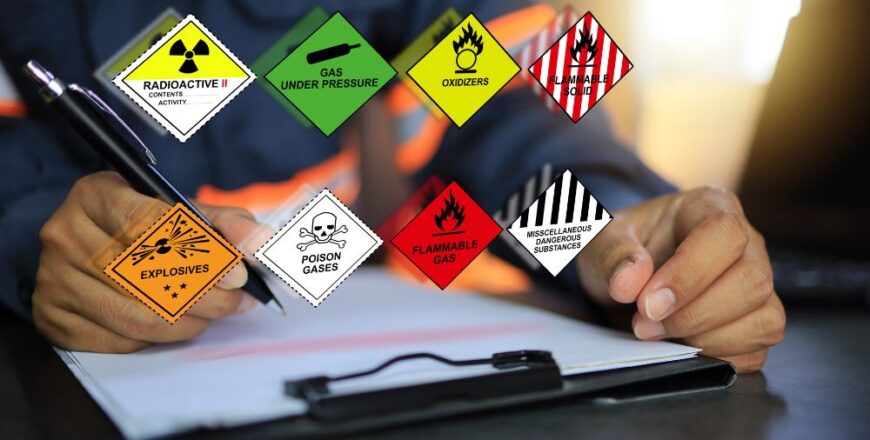
Hazard Communication Training program, designed and developed by EHS-Global to empower organizations with the knowledge and tools required to ensure a safe workplace.

- Description
- Curriculum
- Reviews
- Grade
Hazard Communication Training program, designed and developed by EHS-Global to empower organizations with the knowledge and tools required to ensure a safe workplace.
This comprehensive course focuses on the essential components of OSHA’s Hazard Communication Standard (HCS), a cornerstone of workplace safety aimed at preventing chemical-related injuries and illnesses. Whether you’re an employer, manager, supervisor, or employee, this training equips you with the skills to identify, communicate, and mitigate chemical hazards effectively.
Throughout this course, you will learn how to develop and implement a robust hazard communication program that includes:
- Proper chemical labeling and Safety Data Sheet (SDS) management.
- Employee training on handling hazardous chemicals.
- Strategies for program evaluation and continuous improvement.
By completing this course, you’ll gain the knowledge necessary to foster a safety-conscious culture and ensure compliance with OSHA standards. Together, let’s create safer workplaces and protect employees from unnecessary risks.
Module 1: Introduction to Hazard Communication
-
1
 What is Hazard Communication?
Hazard Communication Introduction
-
2Importance of Hazard Communication in Workplace Safety
Importance of Hazard Communication
-
3The Evolution of OSHA’s HCS and Alignment with GHS (Globally Harmonized System)
The Evolution of GHS
-
4Key Terms: Hazardous Chemicals, Routes of Exposure, and Health Risks
key Terms Of Hzard Communication

Module 2: Steps to an Effective Hazard Communication Program
-
5Learning the Standard: Responsibilities and Regulatory Overview
Responsibilities and Regulatory Overview
-
6Developing a Written Hazard Communication Program
Written Hazard Communication Program
-
7Labeling Chemical Containers: Workplace vs. Supplier Labels
Workplace vs. Supplier Labels
-
8Maintaining Safety Data Sheets (SDS): Access and Updates
Access and Updates
-
9Training Employees: Ensuring Comprehensive Knowledge
Ensuring Comprehensive Knowledge
-
10Periodic Program Evaluation: Sustaining Effectiveness
Sustaining Effectiveness
Module 3: Labeling Requirements
Module 4: Understanding and Maintaining Safety Data Sheets (SDS)
-
14The Role of SDS in Hazard Communication
The Role of SDS in Hazard Communication
-
15Breakdown of SDS Sections
Breakdown of SDS Sections
-
16Ensuring Accessibility for Employees
Ensuring employees have proper access to hazard communication materials, such as labels and Safety Data Sheets (SDS), is critical to maintaining workplace safety and compliance with OSHA's Hazard Communication Standard (HCS). Accessible hazard information empowers employees to take informed precautions and reduces workplace risks associated with hazardous chemicals.
Module 5: Training Employees on Hazard Communication
-
17Components of Effective Employee Training Programs
Training employees effectively on hazard communication requires a structured program addressing specific components to ensure safety and compliance with OSHA standards.
-
18Delivering Training in Multilingual Work Environments
Training in multilingual work environments presents unique challenges, but it is essential for ensuring worker comprehension and workplace safety.
-
19Examples of Interactive and Comprehensive Training Methods
Interactive training methods enhance employee understanding of the Hazard Communication Standard (HCS) by fostering engagement and practical application.
Module 6: Program Evaluation and Continuous Improvement
-
20Evaluating Current Program Effectiveness
Evaluating the effectiveness of a hazard communication program is an essential step to ensure that the program continues to meet its objectives and aligns with workplace safety standards.
-
21Gathering Employee Feedback and Incorporating Changes
Incorporating employee feedback into hazard communication programs is a critical step in ensuring effectiveness and compliance. This process helps identify gaps in training, materials, and program implementation, enabling continuous improvement.
-
22Adapting to New Hazards and Regulations
Adapting to emerging hazards and evolving regulations is a critical aspect of maintaining an effective hazard communication program

Assignment

Please, login to leave a review



Course available for 2 days
Course details
Duration
2 Days
Lectures
22
Assignments
1
Quizzes
1
Upon Completion you will receive certificate
2 Days
Popular courses



 Google