Understanding the Link Between Industries and Human Health
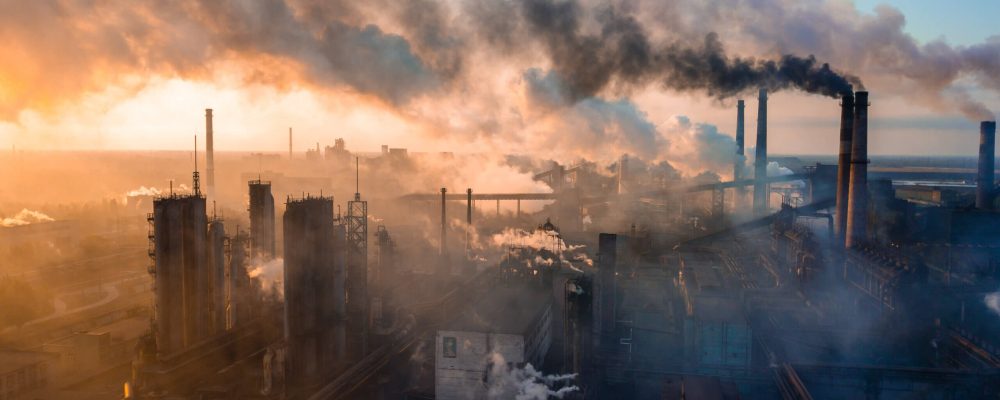
The intricate relationship between various industries and human health is a critical area of study, particularly as we navigate the complexities of modern socio-economic landscapes. Industries such as manufacturing, agriculture, and technology play a pivotal role in shaping health outcomes and lifespan by introducing both risks and advancements. One of the most direct impacts comes from pollution, a byproduct of industrial processes. Air and water pollution, resulting from manufacturing activities, have been linked to numerous health issues, including respiratory diseases and cardiovascular problems. A 2020 study indicated that approximately 7 million premature deaths worldwide can be attributed to air pollution, underscoring the significant health risks posed by industrial emissions.
Moreover, occupational hazards in various sectors present ongoing challenges. Workers in certain industries are often exposed to harmful substances, increasing their risk for chronic illnesses. For instance, data reveals that construction workers frequently encounter hazardous materials that can lead to respiratory diseases and other long-term health conditions. Moreover, industries that promote a sedentary lifestyle—such as office environments—can contribute to obesity and associated health problems, further complicating the impact of industrial advancements on public health.
Technological advancements have also altered lifestyle patterns, leading to both positive and negative outcomes. While innovations improve healthcare access and treatment options, they often encourage sedentary habits and reduced physical activity. The prevalence of technology in daily life necessitates a balance between leveraging its benefits and addressing its potential health detriments.
The overall societal impact of these industries on health metrics is undeniable. Trends in public health have historically echoed the rise and fall of industrial practices, from increases in life expectancy due to improved healthcare technologies to declines in health associated with environmental neglect. Industry-specific regulations and public health initiatives are critical to mitigating these impacts, paving the way for healthier futures.
The Role of Pollution and Environmental Factors
Pollution, primarily stemming from industrial activity, has emerged as a significant threat to human health and longevity. The adverse effects of pollution manifest in various health problems that can directly contribute to a reduced lifespan. Notably, respiratory diseases, cardiovascular conditions, and certain types of cancer have been increasingly associated with exposure to pollutants generated by factories, power plants, and other industrial operations.
Air quality is a crucial indicator of environmental health, with studies consistently showing a correlation between poor air quality and various health issues. Particulate matter, sulfur dioxide, and nitrogen oxides released during industrial processes have been linked to serious respiratory ailments such as asthma and chronic obstructive pulmonary disease (COPD). These conditions not only impair quality of life but can also lead to premature death, thereby significantly impacting overall longevity.
Water quality is equally important, and many industrial sites discharge harmful chemicals into water bodies, contaminating local drinking water supplies. Heavy metals like lead and mercury, along with other toxic substances, can lead to severe health complications, including developmental disorders and cancer. Regions with substantial industrial activities often experience higher incidences of these health issues, which further reflects the direct influence of environmental degradation on human health outcomes.
Case studies from heavily industrialized cities, such as Los Angeles and Beijing, reveal alarming trends in public health. In these locations, rates of respiratory diseases and other pollution-related health conditions have shown marked increases. The industrial activities in these regions, coupled with a lack of regulatory measures to control emissions, have cultivated an environment where public health is compromised. By examining such cases, it becomes evident that pollution not only poses immediate health risks but also threatens the longevity of entire populations.
Community Efforts and Individual Actions to Mitigate Industry Impact
The influence of industries on public health is a pressing concern that necessitates collective action from communities and individuals. Grassroots movements have primarily emerged as powerful platforms for raising awareness about the detrimental effects of industrial activities. These movements are spearheaded by local organizations and concerned citizens who strive to engage their communities in impactful dialogue and initiatives. One notable example is the emergence of community-led campaigns advocating for cleaner air and water quality.
Local initiatives often focus on implementing sustainable practices that mitigate industrial pollution. This may include tree-planting programs to improve air quality or the establishment of community gardens that promote healthier food choices. By creating more green spaces and encouraging local food production, communities can not only combat industrial pollution but also enhance their overall health and well-being.
Moreover, advocacy plays a critical role in influencing regulations surrounding polluting industries. Citizens can actively participate in this process by attending public meetings, voicing their concerns, and mobilizing support for stricter environmental legislation. By leveraging their collective voice, communities can hold industries accountable and push for necessary changes that prioritize public health.
On an individual level, there are numerous lifestyle choices that can diminish the impact of industrial activities. For example, adopting sustainable transportation methods such as cycling or using public transportation can lead to reduced emissions. Additionally, individuals can strive to minimize their consumption of products that contribute to pollution, opting for eco-friendly alternatives wherever possible.
Engagement at both the community and individual levels is essential for orchestrating meaningful change. Through collaboration and informed actions, citizens can significantly contribute to mitigating the negative health impacts attributable to industrial activities. Together, these efforts can pave the way for healthier communities and improved environmental conditions.
Future Trends: Industries and Health Initiatives
As we look ahead, it becomes increasingly clear that various industries are recognizing the importance of enhancing health outcomes through innovative practices and sustainable approaches. One of the most significant trends is the growing adoption of green technology across multiple sectors. Industries are increasingly investing in environmentally friendly solutions that not only aim to reduce their carbon footprint but also promote better health for consumers and communities alike. For instance, the agricultural sector is embracing organic farming methods and reducing reliance on harmful pesticides, thus improving the quality of food and overall human health.
Another critical area of development is sustainable production methods. Companies are implementing circular economy principles that minimize waste and maximize resource efficiency. This shift not only benefits the environment but also creates products that are safer for consumption, ultimately contributing to longer lifespans. Brands that focus on healthier materials in manufacturing processes—such as non-toxic chemicals in textiles—are increasingly in demand as consumers prioritize health-conscious choices.
Corporate responsibility has emerged as a vital component in how industries plan and operate. This trend reflects the rising consumer demand for transparency, sustainability, and ethical practices in product sourcing and production. Businesses that prioritize health and well-being in their operational strategies are setting themselves apart in the marketplace. They recognize that meeting the values of socially conscious consumers is essential for long-term viability.
In closing, it is imperative for us as consumers to actively support these forward-thinking initiatives. By choosing products from companies dedicated to health and sustainability, we can collectively drive change across industries, encouraging a healthier future for all. The shift towards industry practices that enhance human health represents not only a trend but a responsibility that we all share in shaping a better world.

 Google